

Practice & Adoption
The metered side of Common Measure
The same three people, and the moment each one decides Common Measure is worth paying for.
Notes on standards, sampling design, and the policy that decides whether biological evidence counts.
Images are AI generated: not out of laziness, but for a clearer illustration of the content.
Practice & Adoption
The same three people, and the moment each one decides Common Measure is worth paying for.

Practice & Adoption
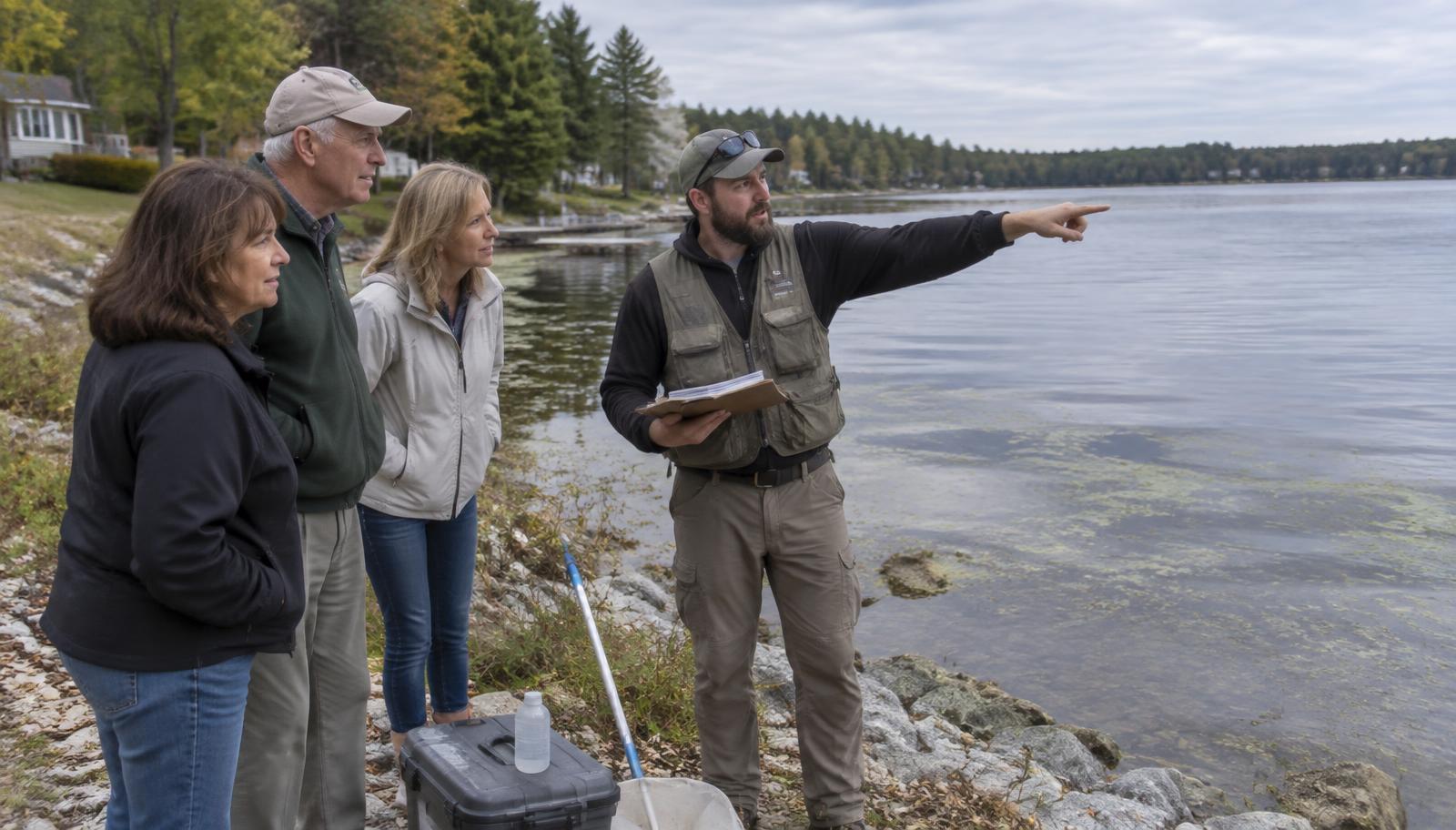
Three examples of people who rely on eDNA results, use Common Measure, and never pay us.
Standards & Governance
Interpretation is where most of the value in environmental DNA sits, which is exactly why a neutral reference layer cannot sell it. We hand back a comparable, documented result and stop. Somebody who knows the system decides what it means.

Data & Provenance
An empty field and a declared "not recorded" look identical to a machine and mean opposite things to a reader. We changed the specification so that declaring ignorance conforms and silence does not.

Standards & Governance
A standard comes from a standards body after a formal, balloted process. Common Measure has not been through one, so what we publish is a specification. Saying so is not modesty — it is the difference between being useful and being caught.
Evidence & Decisions
Turning a molecular detection into an occurrence record means choosing a threshold. That choice is policy, not chemistry — and right now nobody has the standing to make it.

Evidence & Decisions
The science has been good enough to stand up in court since 2020. What is missing is a way to compare one laboratory's result with another's.
Common Measure launches in 2027. If you run a laboratory, buy environmental data, or set policy that depends on it, we'd like to hear from you before then.
Join the waitlist