This is the metered side.
Common Measure has two sides. The free side lets anyone read, check and rely on an eDNA result: the specification, the vocabulary, the comparability method, the validator, the SPIN lookup and more. The metered side does work: it processes sequence data into conforming records, gives teams a shared workspace, and produces signed assurance records. You pay for what you use.
If you haven't yet, start with The free side of Common Measure.
Two rules apply to everything below. Everything that was free stays free when you start paying. And we are paid the same whichever laboratory produced a result, and whatever it shows. Paying us never changes a result.
The three people below are composites, not customers. Common Measure launches in 2027, and these examples show how the metered side is designed to work.
Two labs, one pipeline
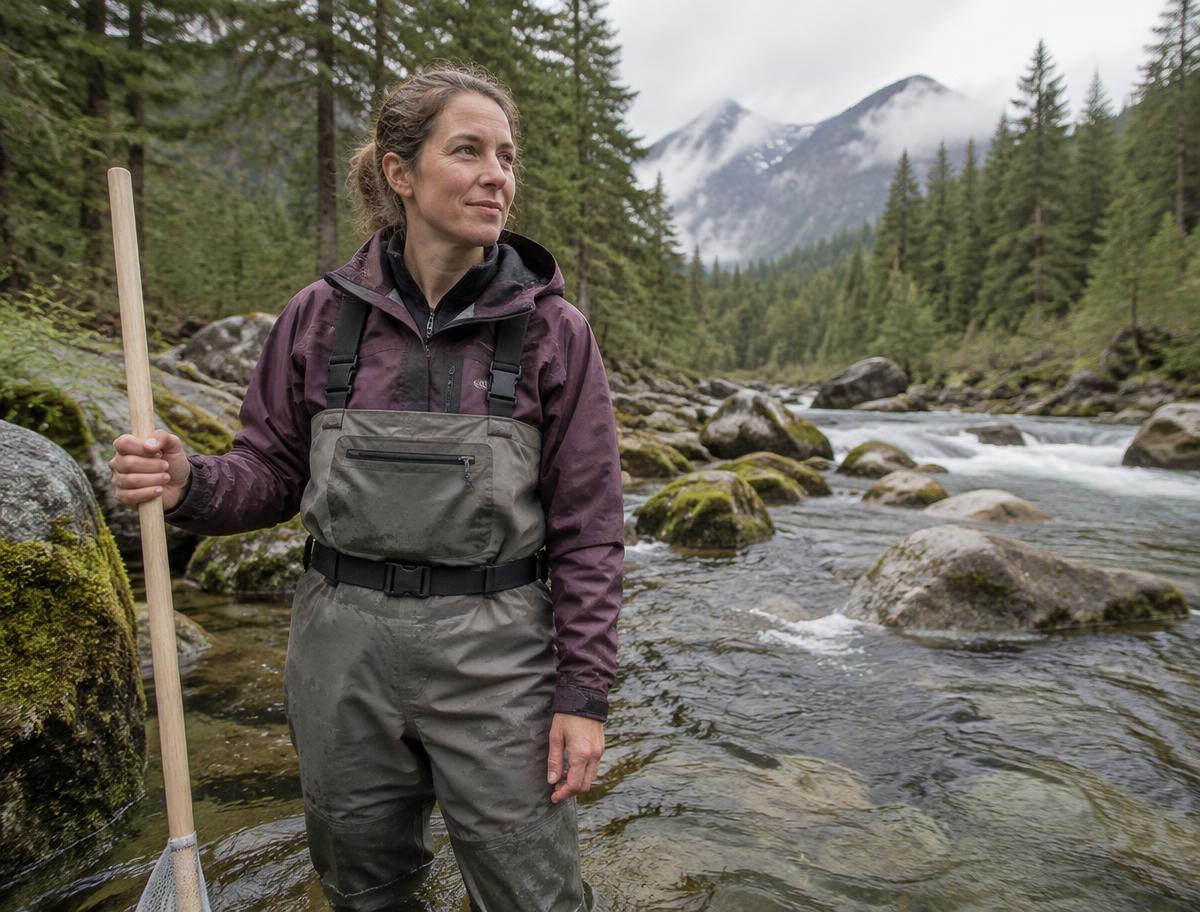
Where free stopped The free side showed Dana why her two laboratories' reports differ. It could not fix the older one. Her 2024 results came from a laboratory that did not produce conforming records, so they carry no permanent identifiers and were analyzed with a pipeline and reference database that no longer match anything she uses today. To compare four years of surveys on equal terms, the old data has to be analyzed again.
What she paid for
- Sample processing, to put both years through one pipeline. The agency kept the raw sequence files (FASTQ) from 2024. Dana submits them alongside the 2026 files, and both are processed through the same pipeline against the same version-locked reference database. Every detected sequence receives a permanent identifier. Where 2024 field details were never recorded, the new records say so plainly instead of guessing.
- A workspace, for her team. Three colleagues share one project holding every survey year, every laboratory, and the full record of how each result was produced.
The outcome Dana now compares 2024 and 2026 with one analysis method and one reference. Reprocessing removes the differences caused by pipelines and reference databases, but not the differences caused by how the water was collected or how each laboratory ran its reactions; those remain recorded and visible. Her next survey contract requires conforming records from the start, so the work never needs repeating.
Why it was worth paying for: The alternative was resampling 40 streams to rebuild a baseline she already had.
A record that holds up when it's challenged

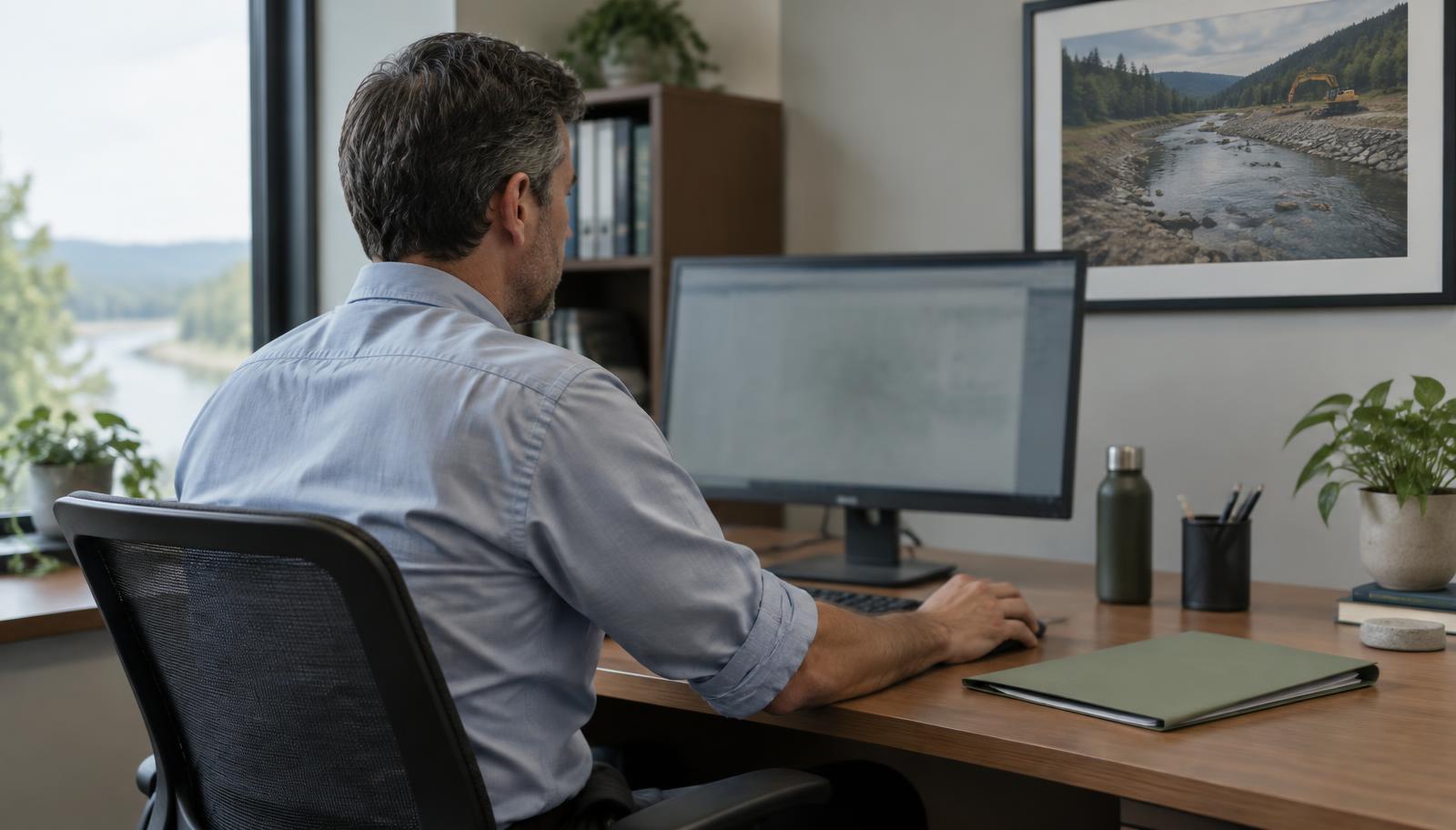
Where free stopped The validator got Daniel's submission through intake complete. But a hydropower relicensing runs for years, and its findings can be contested by the utility, tribes, anglers or the agency itself. When that happens, a complete file is not enough. Daniel needs to show exactly how each result was produced, and that nothing changed after it was filed.
What he paid for
- Signed assurance records, one per result. Each records the laboratory, method choices, pipeline version, reference database version and quality thresholds, and is signed and locked so any later change is detectable. It documents how a result was produced. It does not certify that the result is correct.
- A workspace, for the project. His subcontracted laboratories deliver into one shared project, so every record for the relicensing sits in one place, with one history.
The outcome When a reviewer questions a detection two years later, Daniel produces the signed record in minutes rather than reconstructing the method from emails and lab reports. He bills the cost to the project as a line item, because his client would rather pay for the record now than for a dispute later.
Why it was worth paying for: A record made at the time is worth more than any reconstruction made after a challenge.
A small budget, a clear answer
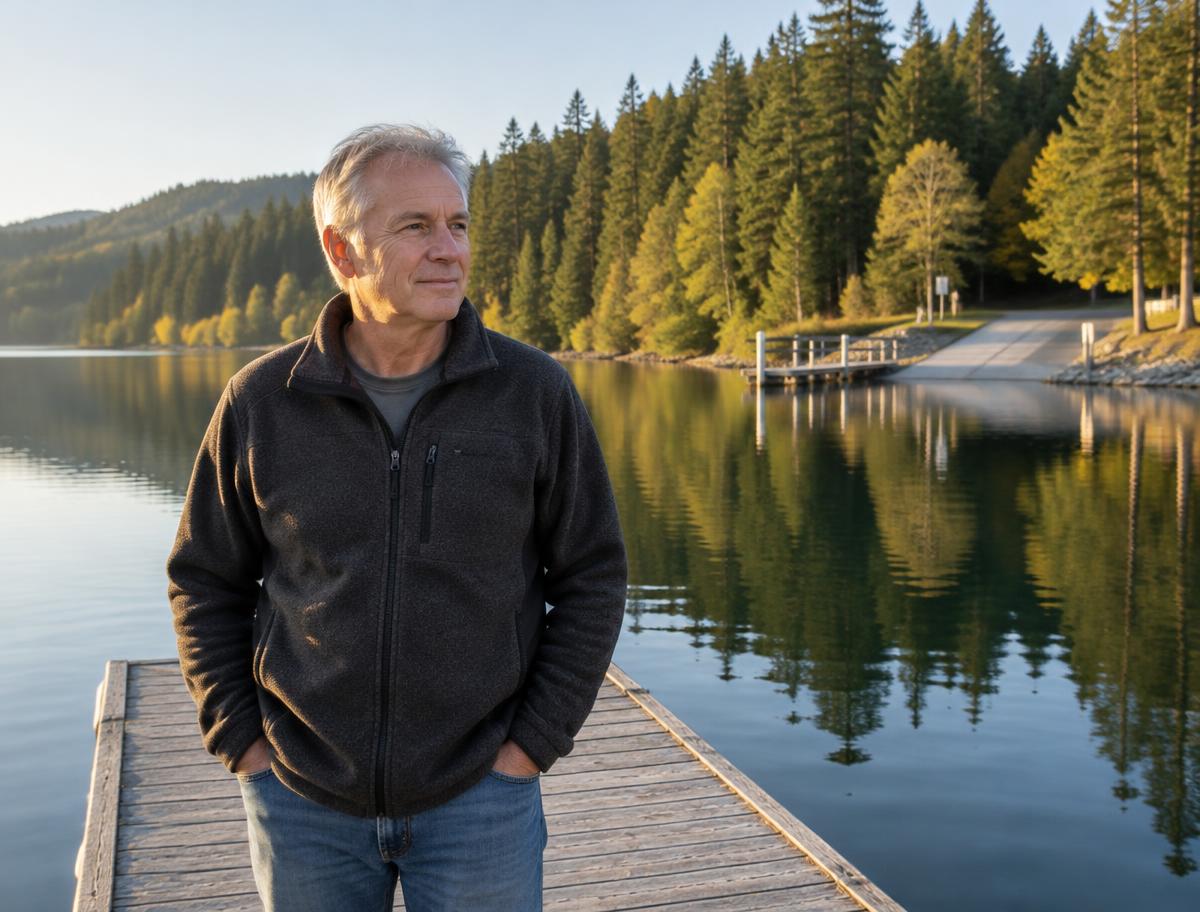
Where free stopped The free side helped Tom read this summer's report. The follow-up survey came from a different laboratory, one that does not produce conforming records. Its results arrive as a PDF and a spreadsheet, with no identifiers and no record of the method. The town council wants to compare the two surveys before deciding anything about the boat launch.
What he paid for
- Sample processing, for a handful of samples. The association asks the laboratory for its raw sequence files and submits them for processing. Each result becomes a conforming record with permanent identifiers, in the same format as the first survey. The association pays per sample, only for the samples it needs.
The outcome The council compares two surveys in one format. It can see whether both detected the same sequence and how each was classified. The decision about the launch is still the council's. What changed is that it is now made on records anyone in town can check.
Why it was worth paying for: A few samples' worth of processing cost less than one season of a closed boat launch.
This is the metered side.
Dana, Daniel and Tom each started on the free side and still use it. Each paid only when they needed Common Measure to do work for them: processing data, keeping a team's records in one place, or signing a record that has to hold up later. None of them paid for a different answer, because there isn't one to buy.
Talk to us about the metered side
This is the metered side.